

If you have shopped the kratom shelf at any of our 9 El Paso Smoke Shops, you have seen a wall of bags labeled by color and strain. It can feel like a lot. This guide breaks down what those labels actually mean for powder buyers: how the leaf is processed, how red, green, and white veins differ, what names like Maeng Da and Bali point to, and the common ways people prepare loose powder. We will also walk through why grind and freshness matter, what lab testing and GMP mean, and which brands and sizes we stock. Everything here is botanical and educational. We do not make health claims, and kratom is sold to adults 21+ only.
What is kratom powder, and how is it made?
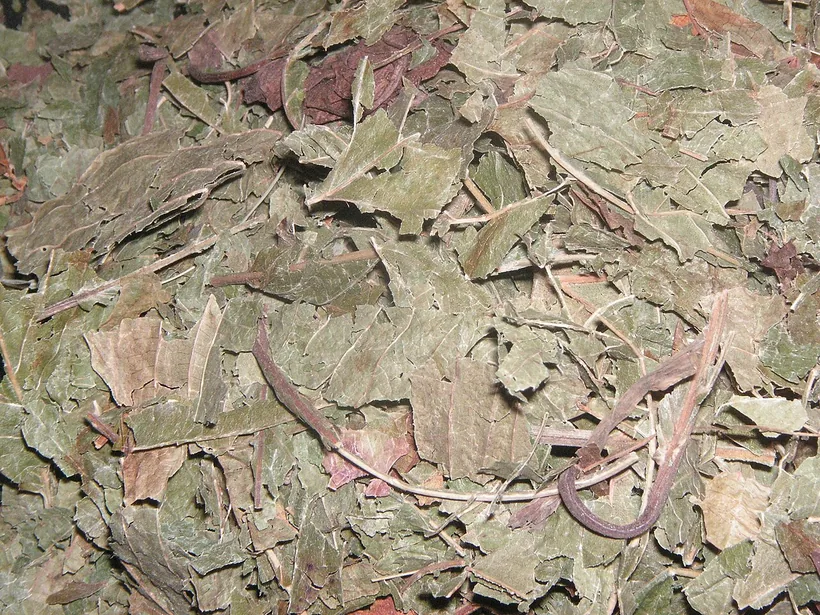
Kratom powder is the dried leaf of Mitragyna speciosa, a tree in the coffee family that grows in Southeast Asia. Farmers harvest the leaves, dry them (indoors, in sunlight, or with some fermentation depending on the style), then grind them into a fine powder. That is the whole product. Plain-leaf powder is not an extract, not a concentrate, and not an enhanced blend. It is just milled leaf.
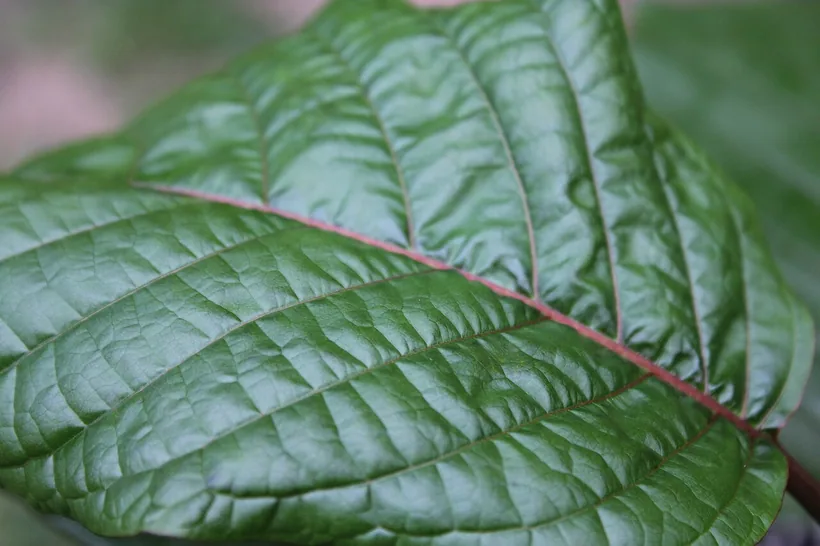
This matters because plain leaf and extract are very different things. Extracts are processed to concentrate the leaf’s natural alkaloids, so they are far stronger by weight. The plain-leaf powders in this guide carry the alkaloid content of normal leaf. Mitragynine is the main naturally occurring alkaloid in kratom leaf, and we reference it only in a general, qualitative way. We do not publish mitragynine percentages or any 7-hydroxymitragynine figures beyond a brand’s own stated number, and we never frame any alkaloid as a benefit.
On the “leaves vs powder” question Guests often ask: powder is just the leaf, ground down. Whole or crushed leaf takes more work to use and measures less evenly. Powder is finely milled, so it blends, brews, and portions more consistently. That is the practical difference, and it is why powder is the most common loose format on our shelves.
Red vs green vs white powder: how do they differ?
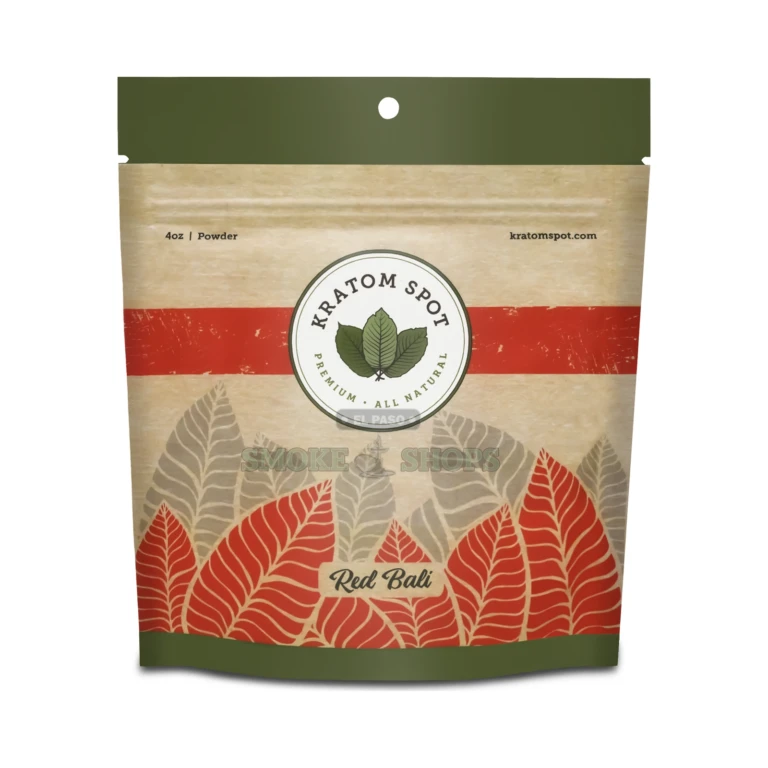
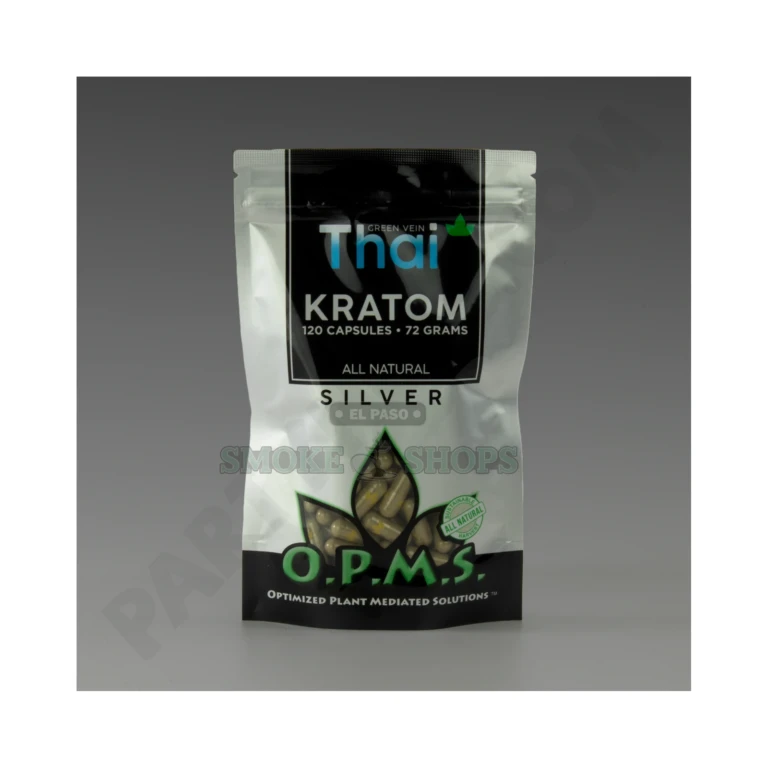
Vein color refers to the color of the leaf vein and stem at harvest, plus how the leaf is dried afterward. It is a processing and maturity label, not a guarantee of any effect. Here is the traditional framing, described as growers and vendors describe it:
- White vein: typically the youngest leaves, often dried indoors or in low light.
- Green vein: mid-maturity leaves, considered the balanced middle of the range.
- Red vein: fully mature leaves, usually given longer drying, sun or UV exposure, and sometimes fermentation.
Color alone does not certify a leaf’s alkaloid content. Soil, climate, the growing region, and the drying method all shift the final profile. So when you see green Malay next to green Maeng Da, both are “green,” but they come from different regions and farms and will not be identical. Treat vein color as a starting point for narrowing your choice, not as a promise. We describe these as traits to match to your preference, never as causes of specific outcomes.
What are the most popular powder strains (Maeng Da, Bali, Malay)?
Strain names are mostly trade and grade labels rather than strict botanical categories. They tend to point to a region of heritage or a vendor’s selection style. Here is what the big names actually refer to:
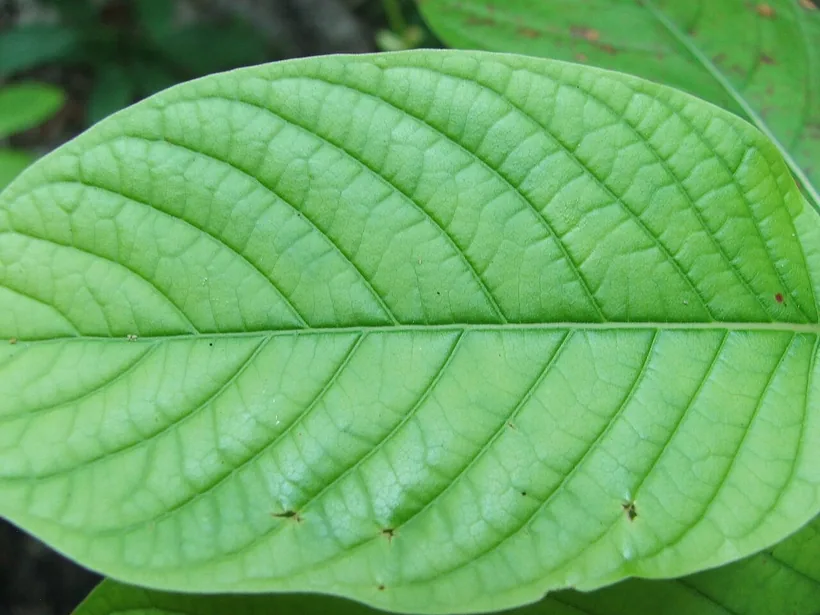
- Maeng Da: a Thai term loosely translated as “pimp grade,” used as a strength or quality marketing label. It is not a place. Today Maeng Da leaf is sourced across Thailand, Indonesia, and Malaysia, often as a higher-grade or blended selection. It comes in white, green, and red.
- Bali: named for Bali and nearby Indonesian and Kalimantan growing regions. Commonly sold as a red vein.
- Malay (Green Malay): a green-vein style sourced from Malaysia and nearby areas.
- Borneo: single-origin leaf from the island of Borneo, available across vein colors.
- Thai: a heritage label pointing to Thai-style leaf, often green vein.
Guests frequently compare these side by side, so here is how the names differ in trade terms (no effect claims, just descriptions):
- Green Malay vs Maeng Da and green Thai vs Maeng Da: all green-vein, but Malay and Thai are region labels while Maeng Da is a grade/selection label. They differ by source farm and processing, not by a fixed effect.
- Red Maeng Da vs red Bali and Maeng Da vs red Bali: both red-vein. Bali is a regional name; red Maeng Da is a graded red selection. Different origin, different batch character.
- White Maeng Da vs white Borneo and white Maeng Da vs white Thai: white-vein comparisons where Borneo and Thai are origins and Maeng Da is a grade. The grind and farm drive the differences.
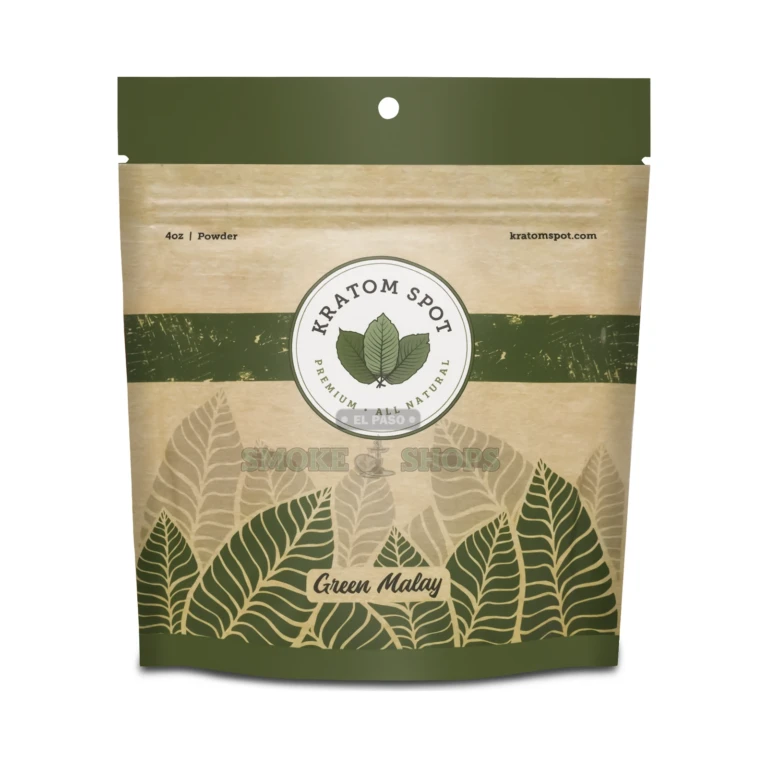
For single strains we carry the Bali Red Vein Kratom Powder (a finely microground red-vein Bali from Kratom Spot, plain leaf, no fillers), the Kratom Spot Green Maeng Da Powder (a balanced green-vein Maeng Da the brand calls “Balanced, Versatile, and Reliable”), the Kratom Spot Green Malay Powder (green-vein Malaysian leaf), and the Kratom Spot Borneo Powder, White Vein (single-origin white Borneo). For premium-brand single strains we stock OPMS Thai Kratom, Green Vein (the brand’s plain-leaf Silver line in powder and capsules) and OPMS Maeng Da Kratom Powder, Silver Line.
If you prefer a mix instead of one strain, Kratom Spot’s house blends combine vein colors. The Kratom Spot Woah Maeng! Blend Powder is a tri-vein mix the brand lists as 40% green, 30% red, and 30% white, with a brand-stated mitragynine figure of 1.63%. The Kratom Spot Cosmic Duo Blend Powder is a 50/50 green-and-white blend (brand-stated mitragynine around 1.6%). The Kratom Spot Signature Blend Powder is 60% green and 40% white (brand-stated mitragynine 1.85%, their “Elevated Tier”). The Kratom Spot Supernova Speciosa Powder is a tri-vein blend listed as 40% white, 40% green, 20% red (brand-stated 1.43% mitragynine). These figures are the brands’ own published numbers; we do not add reseller or hype potency claims.
How do people take kratom powder (toss-and-wash, tea, mixing)?
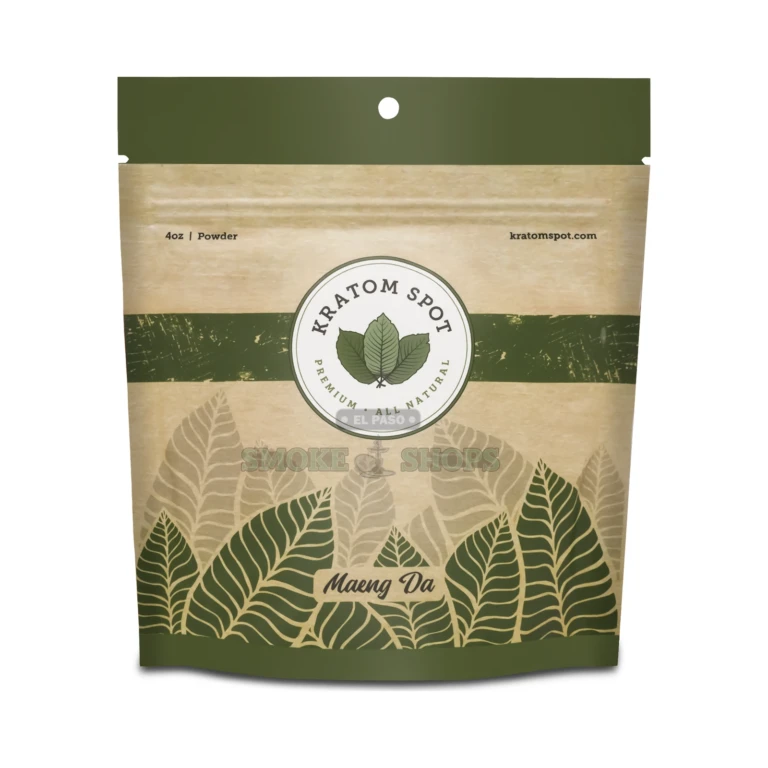
Loose powder needs a little prep. The three common methods are toss-and-wash, tea, and mixing. None is “correct.” It comes down to taste tolerance and how much effort you want to put in. Whatever the method, the standing rule is to start small and get familiar, strictly as a personal pacing choice and never as medical dosing.
- Toss-and-wash: measure your powder, place it in your mouth, and immediately wash it down with water or citrus juice. No brewing. It is the fastest prep, but the trade-off is bitterness, so a cold, acidic chaser helps cut the contact with your taste buds.
- Tea: steep the powder in hot (not boiling) water, then strain out the plant material. A squeeze of lemon is common. Many people find tea gentler on the stomach. The trade-off is that it takes longer to prepare.
- Mixing: stir powder into juice, a smoothie, yogurt, or applesauce to mask the earthy flavor. Fat and liquid carriers help it go down. It is more palatable but less precise than a pre-measured capsule.
A few practical notes Guests ask about. On onset, loose powder and tea generally take longer to come on than concentrated liquids, and food in your stomach slows things down across every format. On “is tea stronger than powder,” brewing does not add anything to the leaf. Tea simply changes the experience (smoother to drink, some plant material strained out), and any strength difference comes from how much powder you used, not the method. On carbs: kratom powder is ground plant leaf, so a serving contains a small amount of plant fiber and carbohydrate, but the typical amount used is tiny. There is no meaningful nutrition story here.
On powder vs capsules: capsules are just powder, pre-measured into a shell. They have no taste and need no prep, but they cost more per gram and act a little slower because the shell has to dissolve first. Powder is cheaper per serving and more flexible, at the cost of bitterness and prep. Neither is “stronger.” A capsule and a scoop holding the same weight of the same leaf are the same product. Several of our items, like the OPMS Thai Kratom, Green Vein and OPMS Silver Malay Kratom, Green Vein, are offered in both powder and capsule form so you can pick your format.
And on extract vs powder: extracts are concentrated and much stronger than plain leaf by weight, with a faster, sharper onset. They are easy to over-consume, so the guidance is to start small and follow the label. The powders in this guide are plain leaf, not extracts. Kratom Spot, for example, sells its concentrated “Ultra Maeng Da” extract as a separate product, and OPMS keeps its concentrated Gold and Black lines separate from the plain-leaf Silver line covered here.
Why do lab testing and freshness matter for powder?
Because kratom is an agricultural product, batch quality varies, and you cannot tell purity by looking. That is what third-party lab testing is for. A reputable powder ships with a Certificate of Analysis (COA) confirming the leaf was screened for heavy metals, microbial contaminants, and adulterants, and confirming the product is plain leaf with no fillers. Many vendors make these results downloadable or scannable by QR code.
The other quality signal is GMP. The American Kratom Association (AKA) runs a Good Manufacturing Practices program, and brands that qualify follow defined sourcing, handling, and packaging standards. All of the lines we carry state AKA-GMP qualification:
- Kratom Spot states third-party lab testing of every batch for purity and potency, screening for heavy metals, contaminants, and adulterants, with batches tested at ISO/IEC 17025:2017-accredited labs and per-batch results available. It states GMP qualification through the AKA program.
- OPMS states every batch is tested for alkaloid content with Certificates of Analysis, packaged in FDA-registered facilities under GMP standards, and that it holds AKA-GMP certification.
Freshness and grind matter on the shelf too. A fine, uniform grind blends and brews more evenly, which is part of why brands like Kratom Spot emphasize a smooth, microground texture. Like any dried botanical, kratom keeps best stored sealed, cool, and dry, away from light. Buying a size you will actually go through, rather than over-buying, helps keep what you use fresh.
What kratom powder brands and sizes do you carry?
Across our 9 El Paso locations we stock two main plain-leaf powder brands, Kratom Spot and OPMS, in single strains and house blends. Sizes vary by item, and our shelf listings carry a subset of each brand’s full size range, so check the exact sizes on the live product page or with a Host in store.
- Bali Red Vein Kratom Powder (Kratom Spot), red-vein Bali, microground plain leaf, 3 sizes.
- Kratom Spot Green Maeng Da Powder: green-vein Maeng Da, vegan plain leaf, 3 sizes (drawn from the brand’s 2oz / 4oz / 8oz / 1lb / 1kg range).
- Kratom Spot Green Malay Powder, Green Vein: green-vein Malaysian leaf, 3 sizes.
- Kratom Spot Borneo Powder, White Vein: single-origin white Borneo, 3 sizes (brand-stated 1.43% mitragynine).
- Kratom Spot Woah Maeng! Blend Powder, 4oz: tri-vein blend (40% green / 30% red / 30% white), brand-stated 1.63% mitragynine.
- Kratom Spot Cosmic Duo Blend Powder: 50/50 green-and-white blend, 2 sizes, brand-stated ~1.6% mitragynine.
- Kratom Spot Signature Blend Powder: 60% green / 40% white house blend, brand-stated 1.85% mitragynine.
- Kratom Spot Supernova Speciosa Powder, Tri-Vein: 40% white / 40% green / 20% red, 2 sizes, brand-stated 1.43% mitragynine.
- OPMS Thai Kratom, Green Vein: Silver-line plain leaf, available in powder and capsules.
- OPMS Maeng Da Kratom Powder, Silver Line: premium Maeng Da plain leaf, multiple sizes from sampler to bulk.
- OPMS Silver Malay Kratom, Green Vein: green Malay plain leaf, in powder and capsule formats.
A quick legal and brand note. OPMS sorts its products by extraction strength: Silver is the plain-leaf line covered here, while Gold and Black are concentrated extracts (different products entirely). Every kratom item we stock is lab-tested whole-leaf kratom for adults 21+. We do not sell isolated or concentrated 7-OH products, which are restricted in Texas. Kratom is legal to sell in Texas under the state’s Kratom Consumer Protection Act, with a strict 21-and-over age requirement. The FDA has not approved kratom for any use, and nothing here is intended to diagnose, treat, cure, or prevent any condition.
Want to compare bags side by side before you commit? Every El Paso Smoke Shops location offers same-day in-store pickup, and our Hosts can walk you through vein colors, strains, sizes, and lab-test paperwork in person. Stop by any of our 9 El Paso stores, valid ID in hand, since all kratom is sold to adults 21+ only.


