

If you have searched “what is 7-OH,” you are not alone. It is one of the most-asked questions in the kratom space right now, and a lot of the answers online are written to sell a product rather than to inform you. This page is different. We do not sell 7-OH at El Paso Smoke Shops, so we have no reason to talk it up. What follows is a plain, factual look at what 7-hydroxymitragynine actually is, how it differs from the whole-leaf kratom on our shelves, what the law says in Texas, and why our buying team made the call it did.
One note before we start. Kratom is a botanical sold for adults 21+. The FDA has not approved kratom for any use, and nothing here is medical advice. Talk to your doctor before using any botanical, especially if you are pregnant, nursing, or taking medication.
What is 7-OH (7-hydroxymitragynine)?
7-hydroxymitragynine, usually shortened to 7-OH or 7-OH-MIT, is one of the many alkaloids found in the kratom plant, Mitragyna speciosa. The word “alkaloid” just means a naturally occurring plant compound. Kratom leaf contains dozens of them. The dominant one is mitragynine, which makes up roughly 1 to 2 percent of dry leaf weight.
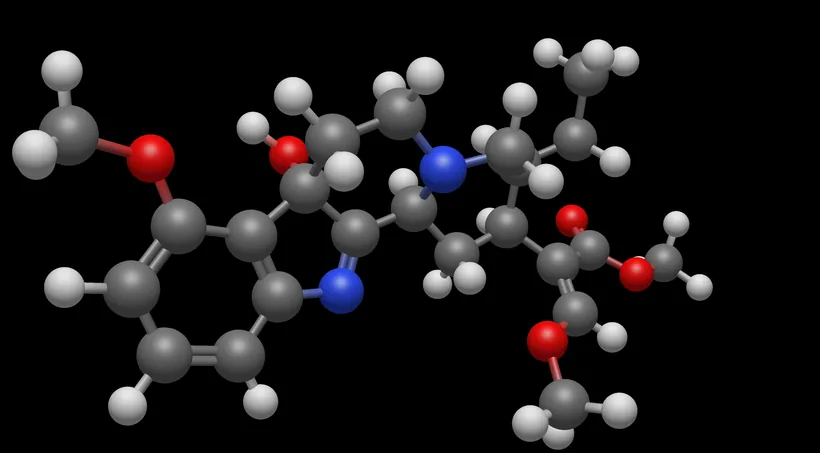
Here is the part most ads leave out. In natural kratom leaf, 7-OH is present only in trace amounts. We are talking about generally under 0.02 percent of dry leaf weight, and less than 2 percent of the leaf’s total alkaloid content. In other words, there is barely any of it in the plant itself. It is a minor constituent, not a main ingredient.
There is a second wrinkle. Scientists describe 7-OH as a metabolite of mitragynine. When a person ingests kratom, the liver converts a small fraction of the mitragynine into 7-OH using CYP450 enzymes. So in the literature, 7-OH is often called an active metabolite. That is a meaningful distinction from the concentrated products on the market, which we will get to next.
How is 7-OH different from whole-leaf kratom?
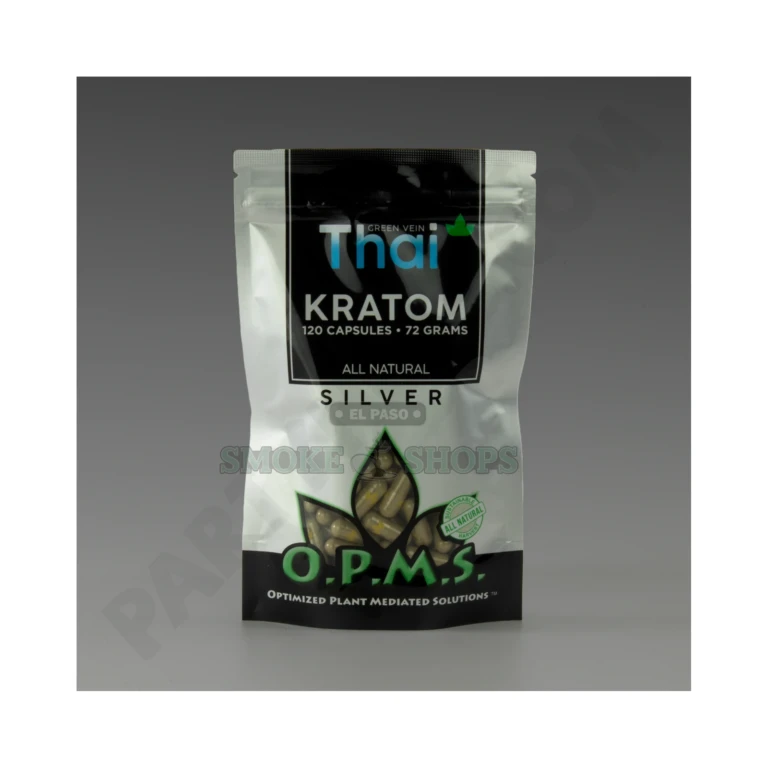
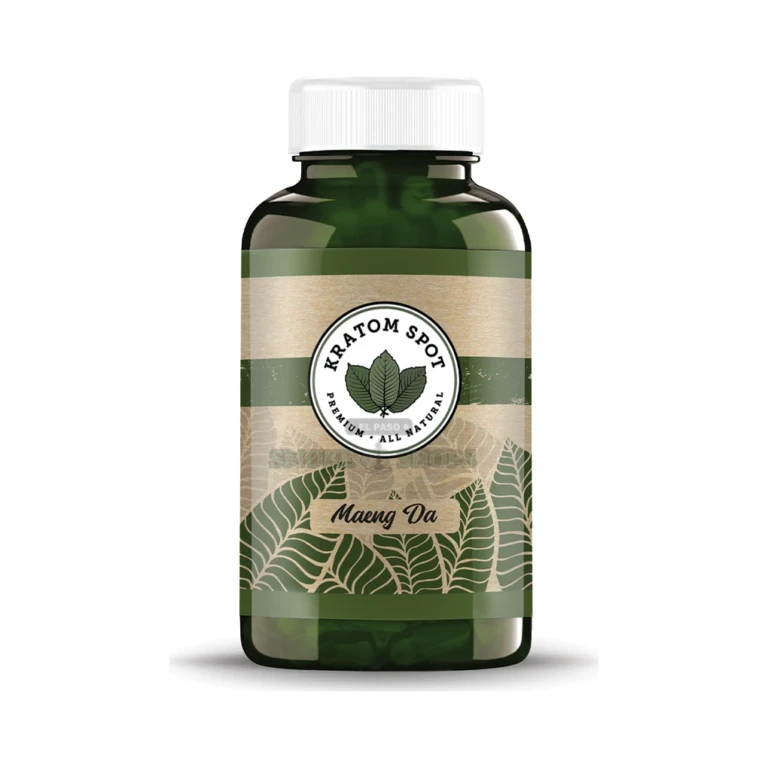
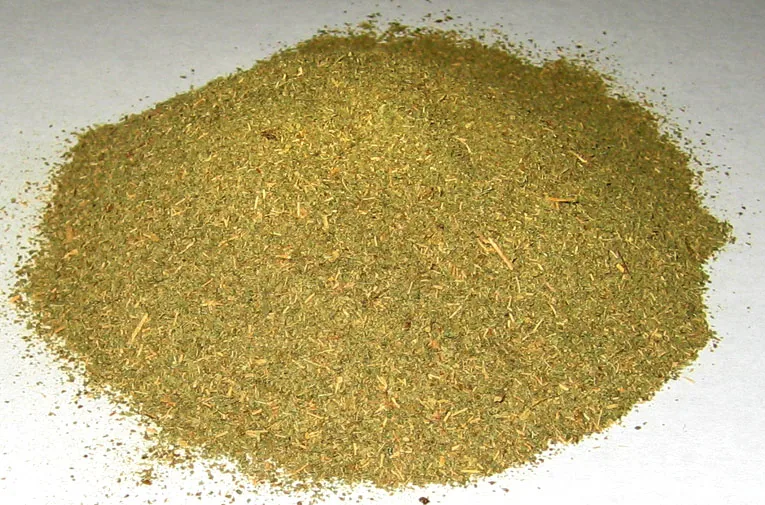
This is the heart of it, and it is where a lot of confusion lives. Whole-leaf kratom is the ground or crushed leaf of the plant, sold as powder, capsules, or full-spectrum extracts that keep the plant’s natural alkaloid balance. The trace amount of 7-OH that exists in that leaf is just one small piece of a much larger mix.
Concentrated 7-OH products are a different animal. Because so little 7-OH exists in the leaf, you cannot simply grind up plants and get a 7-OH tablet. Those products are not natural leaf at all. They are produced semi-synthetically, which means a lab takes mitragynine pulled from kratom and chemically alters it to add a hydroxyl group at the seventh position, converting it into 7-OH. The result is a concentrated compound that is far removed from the balanced profile of the original leaf.
So when you see something labeled “7 tabs,” a “7-OH shot,” or 7-OH gummies, you are looking at a concentrate, not a plant product. That single fact, the jump from a trace leaf compound to an isolated lab concentrate, is the core of why regulators treat these as a separate product class. To keep it simple:
- Whole-leaf kratom: the actual plant material, full natural alkaloid mix, trace 7-OH only.
- Concentrated 7-OH: a semi-synthetic isolate made in a lab from purified mitragynine, sold as tablets, shots, or gummies.
We will say the obvious thing plainly. We carry the first one. We do not carry the second.
Is 7-OH the same as morphine or an opioid?
This question comes up constantly, usually phrased as “7-hydroxymitragynine vs morphine,” so let us answer it carefully and neutrally. 7-OH is not morphine. It is a different molecule with a different origin. It is also not a classical opioid drug like the ones made by pharmaceutical companies.
What the research does show, stated as a neutral fact and not as any kind of endorsement, is that 7-OH is active at the mu-opioid receptor in the body. It acts as a partial agonist at that receptor. In laboratory studies it bound to that receptor more strongly than mitragynine did, and in animal studies it was reported to be more potent than morphine in those specific tests. We are sharing that because it is what the science says, and because you deserve straight information. We are not framing potency as a feature, a benefit, or a reason to seek it out. More potent is not the same as better or safer, and the regulatory concern around 7-OH exists precisely because of that potency.
So the honest summary is this. 7-OH is not morphine and not a traditional opioid drug, but it is opioid-receptor-active. That combination, a powerful receptor effect in a concentrated, semi-synthetic form, is exactly why it has drawn attention from the FDA.
How is 7-OH made, and why did concentrated 7-OH products appear?
We touched on this above, but it is worth a clear walk-through. Because the kratom leaf holds so little 7-OH, manufacturers turned to chemistry. The typical process starts with mitragynine that has been extracted and purified from kratom. That mitragynine is then oxidized in a lab, a reaction that adds the hydroxyl group needed to turn it into 7-OH. The end product is a concentrate that contains far more 7-OH than any leaf ever could.
Why did these products show up on the market? In short, because the leaf compound that the body produces in small amounts could be manufactured directly and sold in a much stronger form. As awareness of kratom grew, some makers leaned into concentration as a selling point. That trend is what put 7-OH on the radar of state and federal regulators, who view these concentrates as something quite different from the traditional botanical. The semi-synthetic, concentrated nature of these products is the entire basis of the regulatory concern.
Is 7-OH legal? The FDA, DEA, and Texas picture
Let us separate the layers, because federal and state rules are not the same.
Federal. Kratom and its alkaloids, including mitragynine and 7-OH, are not currently scheduled under the federal Controlled Substances Act. The DEA proposed scheduling kratom back in 2016 and then withdrew that proposal. So kratom is legal at the federal level. That said, the FDA has not approved kratom for any use, and it does not consider kratom a lawful dietary supplement or food additive. On July 29, 2025, the FDA went a step further and recommended that the DEA schedule concentrated 7-OH products specifically. The agency stated that 7-OH is not a lawful dietary supplement, food additive, or ingredient in any approved drug, and it issued warning letters to companies marketing these concentrates. As of mid-2026 the DEA has not finalized a scheduling rule, so concentrated 7-OH remains federally unscheduled while the review continues. Importantly, the FDA action targets isolated and enriched 7-OH, not the natural trace amount in whole leaf.
Texas. This is the part that matters most for our Guests, so read it closely. Kratom is legal to sell in Texas under the state’s Kratom Consumer Protection Act, with sales limited to adults 21+. But Texas also passed SB 1868, which took effect September 1, 2025. That law caps 7-OH at no more than 0.1 percent of a product’s total alkaloid content, requires accredited-lab testing for alkaloids, heavy metals, and contaminants, bans synthetic ingredients, and sets the 21+ purchase age. Isolated and concentrated 7-OH products blow far past that 0.1 percent cap, which makes them illegal in Texas. This is not a gray area. The Texas Attorney General has sued retailers selling products with up to roughly 96 percent 7-OH, nearly 1,000 times the legal limit. Texas health officials have also flagged a rise in kratom and 7-OH exposure reports.
The trace 7-OH naturally present in compliant whole-leaf kratom is fine. The concentrated isolate is not. Several other states have moved against kratom or its concentrated alkaloids as well, including Alabama, Arkansas, Indiana, Rhode Island, Tennessee, Vermont, and Wisconsin, with Louisiana adding restrictions in 2025. Laws vary by state and change often, so if you are asking whether 7-OH is legal in Ohio, Florida, or North Carolina, check that state’s current statute directly, because the answer can shift.
Does 7-OH show up on a drug test?
This is one of the most-searched 7-OH questions, so here is the neutral, factual answer. Standard drug panels do not test for kratom alkaloids. Mitragynine and 7-OH are not part of the typical 5-panel, 10-panel, or 12-panel screens that most workplaces use. Those panels look for substances like THC, opioids, amphetamines, and so on, and kratom compounds are not on that list.
The catch is that a specialized kratom assay does exist. A lab can specifically test for mitragynine and 7-OH using LC-MS/MS technology if it is asked to. That kind of test is not standard and would have to be ordered on purpose. So the plain facts are these: 7-OH and mitragynine will not flag a routine panel, but a dedicated kratom test can detect them. We are stating this as information only, not as advice about testing situations. If a drug screen matters for your work or any other reason, the right move is to ask the testing provider what their panel covers.
Why El Paso Smoke Shops carries whole-leaf kratom, not 7-OH concentrate
Our position is simple and it is built on the law and on what we believe is right for our Guests. El Paso Smoke Shops does not sell 7-OH concentrate. We carry only lab-tested, whole-leaf kratom that complies with Texas’s rules, including the 0.1 percent 7-OH cap and the testing requirements. That means real botanical leaf in powder, capsule, and full-spectrum extract form, never an isolated or semi-synthetic 7-OH product.
There are two reasons. First, concentrated 7-OH is illegal in Texas, so carrying it is simply off the table. Second, we want our shelves stocked with products that fit the traditional, regulated botanical category our Hosts can stand behind. The brands you will find with us, such as OPMS, Kratom Spot, and other lab-tested leaf lines, are whole-leaf kratom products, not 7-OH tablets or shots.
We will also name a search trend we see and handle it honestly. Some people search whether kratom helps with 7-OH withdrawal. We understand the concern behind that question, and we take it seriously, but we cannot and will not make any treatment claim. Kratom is not approved by the FDA to treat, cure, prevent, or relieve anything, including dependence on any substance. If that is what brought you here, please talk to a doctor or a licensed medical professional. That is the right resource, and we mean that sincerely.
If you want to learn about lab-tested, Texas-compliant whole-leaf kratom, our Hosts are glad to walk you through formats, brands, and labels in person. You will find us at all nine of our El Paso locations, and same-day in-store pickup makes it easy to grab what you need and ask your questions face to face. Adults 21+ only, and please bring a valid ID. As always, talk to your doctor before using any botanical, especially if you are pregnant, nursing, or taking medication.


