

Walk into any of our nine El Paso locations and you will see a cooler of canned seltzers and a shelf of little blue tonic bottles right next to the loose powders. Guests ask us the same thing almost every day: what is the difference between kava and kratom, and which drink should I start with? This guide breaks down the two plants, the most popular ready-to-drink products we carry, and how to read what is actually inside the can or bottle. Everything here is for adults 21+, and none of it is medical advice.
What is the difference between kava and kratom?
This is the question Hosts hear most, and the short version is simple: they are not the same plant and they do not come from the same part of the plant.
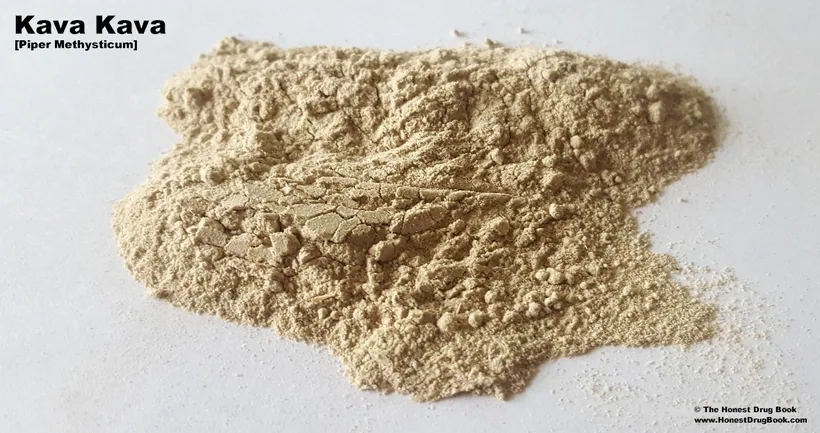
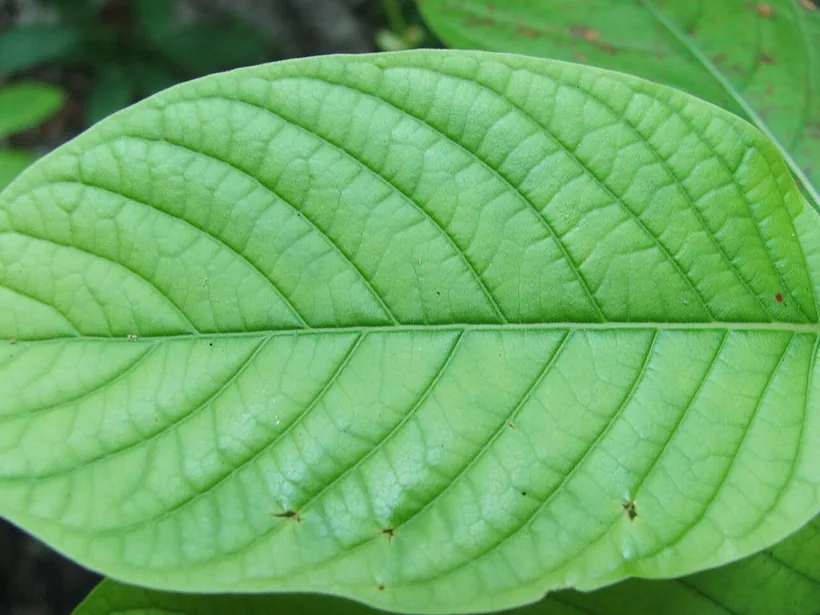
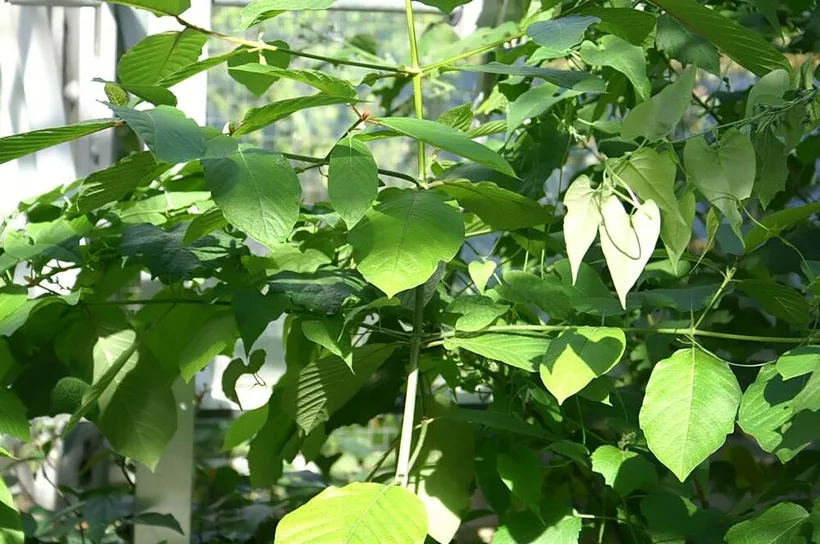
- Kratom is the dried leaf of Mitragyna speciosa, a tropical tree in the coffee family native to Southeast Asia. Its main naturally occurring alkaloid is mitragynine.
- Kava is made from the root of Piper methysticum, a shrub grown across the South Pacific islands. Its active compounds are called kavalactones. Kava root has a long traditional history as a social drink in places like Vanuatu and Fiji.
Because they are different botanicals with different chemistry, people describe them very differently as a matter of personal preference. We will not tell you one “does” anything specific, because the FDA has not approved either plant for any use and we make no health claims. What we can say is that they are distinct products. On the liver question that Guests often raise: a 2002 FDA consumer advisory noted that kava-containing supplements have been associated with reports of liver injury, and that caution literature is specific to kava as its own botanical, not a claim about kratom. The CDC has also flagged rising poison-center calls tied to products that combine kratom and kava. The takeaway for shoppers is straightforward. Do not mix products, do not exceed label servings, and talk to a doctor first if you have any liver condition or take medication.
What are kratom and kava drinks, and how are they made?
A “kratom drink” or “kava drink” is just a pre-measured, flavored way to consume the botanical without weighing powder yourself. There are a few formats on our shelves.
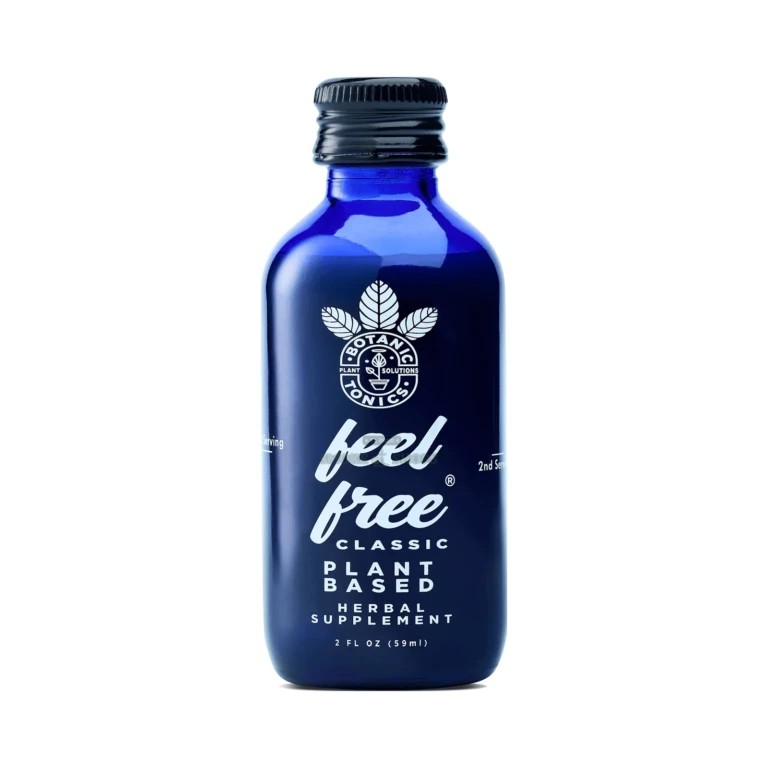
- Tonics and shots: small concentrated bottles, often 2 fl oz, that you sip slowly. Feel Free Classic is the best-known kava-plus-kratom tonic.
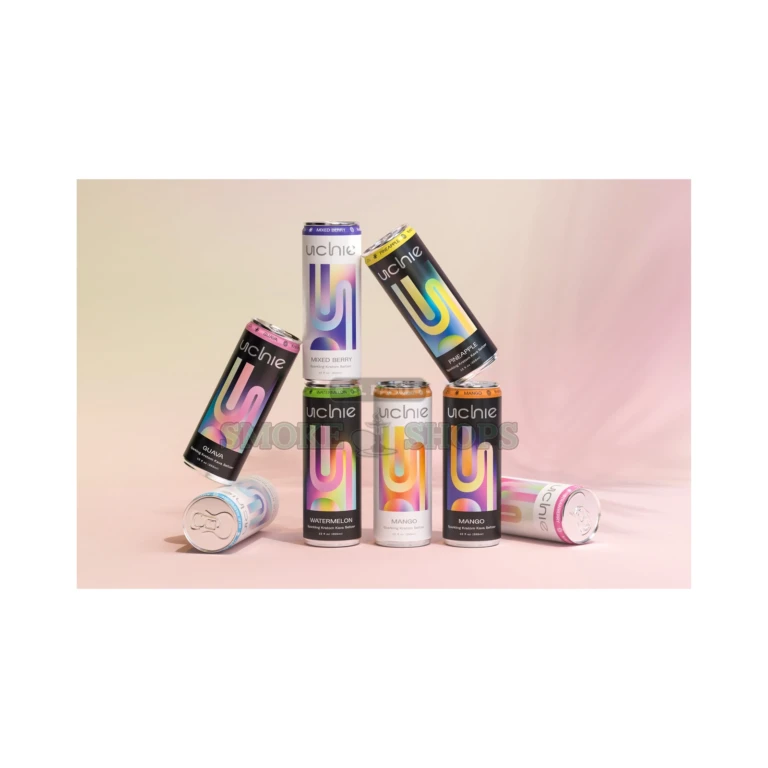
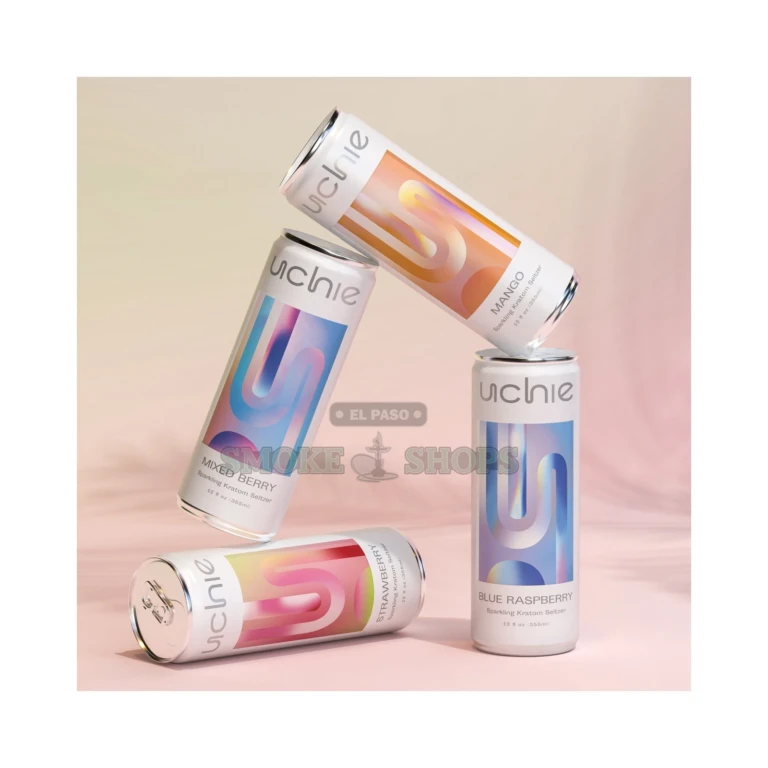
- Seltzers: carbonated 12 oz cans that drink like a sparkling soda. Uchie makes both a kratom-only seltzer and a kratom-plus-kava seltzer.
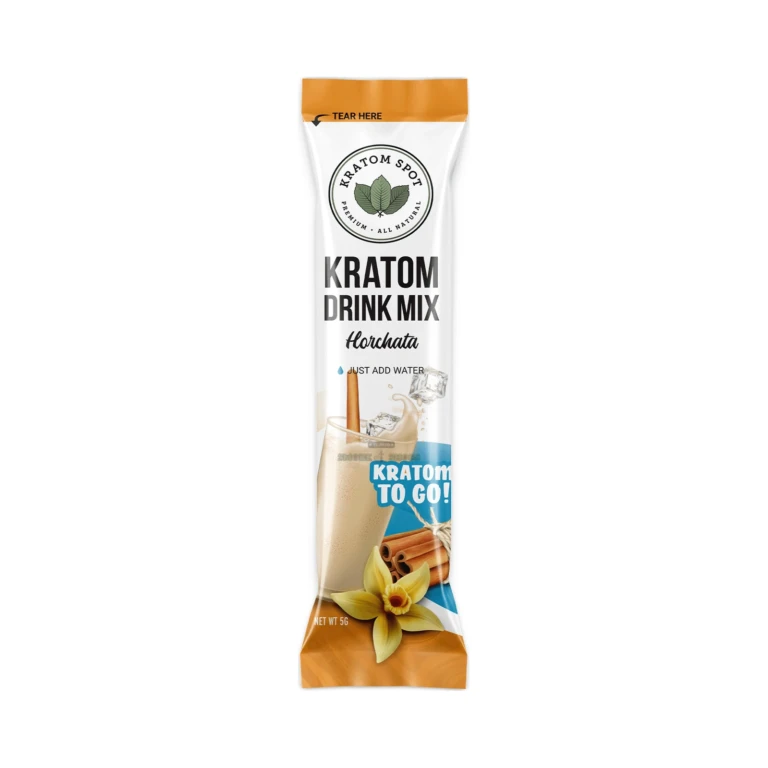
- Drink-mix stick packs: single-serving powder packets you stir into water or juice. Kratom Spot Drink Mix green vein packets are the convenient version of loose powder.
How are they made? Powder drinks start as ground leaf blended with flavoring. Seltzers and tonics blend a botanical input (either plain leaf or a leaf extract) into carbonated or flavored liquid, then sweeten and balance the taste. The big distinction to understand is plain leaf versus extract. Plain-leaf products use ground whole kratom leaf. Extract products concentrate the leaf so a smaller volume carries the same labeled alkaloid amount. Extracts are more concentrated than leaf, so the standing rule is to start small and follow the serving size on the label.
Feel Free vs Uchie: how do these drinks compare?
These two brands cover the two most common drink styles, so Guests often line them up side by side.
Feel Free Kava and Kratom Tonic (Pineapple, 2 fl oz) is made by Botanic Tonics, a Tulsa company that sources its noble kava from a farm in Vanuatu. It is a small blue 2 fl oz bottle holding two servings. The brand-recommended serving is a quarter to half the bottle, and the label says do not exceed half a bottle at one time. It blends Noble Kava root with natural leaf kratom, and Botanic Tonics states it uses plain leaf only, never kratom extracts or synthetics. The Pineapple version is naturally sweetened with pineapple juice and stevia, and the flavor is bold and earthy. It is alcohol-free, gluten-free, and plant-based. Per the brand label, a serving lists total alkaloids around 34 mg with mitragynine around 20 mg, plus total kavalactones around 260 mg. Botanic Tonics says it is made in an FDA-registered, cGMP-certified facility and that every batch is tested in an ISO/IEC 17025-accredited lab.
Uchie Kratom Kava Seltzer (4 Flavors, 12 oz can) takes the seltzer route. It is a sparkling single-serve can in Pineapple, Guava, Mango, and Watermelon. Per can, Uchie lists 25 mg mitragynine and 100 mg kavalactones. Unlike Feel Free, Uchie uses kratom leaf extract rather than plain leaf, plus kavalactone extract from kava root. It is sugar-free, zero-calorie, THC-free, and alcohol-free. Uchie states its products are third-party lab tested per batch for potency and purity. The brand also says this is for occasional use only, not daily, and not to exceed one serving in 24 hours.
The practical contrast: Feel Free is a concentrated leaf-based sip you portion yourself, while Uchie is a full-can carbonated extract drink that is already one serving. Different formats, different botanical inputs, same 21+ rule and same start-low guidance.
How much kratom is in a can or tonic (reading mitragynine labels)?
The number you want is the per-serving or per-can mitragynine figure. Mitragynine is the main naturally occurring alkaloid in the kratom leaf, and brands quantify it so you can compare products honestly. Here is how the drinks we carry list it, using brand-stated figures only.
- Feel Free Classic Tonic: about 20 mg mitragynine per serving (total alkaloids around 34 mg), and a serving is a quarter to half the 2 fl oz bottle.
- Uchie Kratom Kava Seltzer: 25 mg mitragynine per 12 oz can, plus 100 mg kavalactones.
- Uchie Kratom Seltzer (non-kava line): 50 mg mitragynine per can. This is the higher-mitragynine seltzer and comes in Blue Raspberry, Mango, Mixed Berry, and Strawberry.
A few label-reading tips. First, check whether the number is “per serving” or “per can,” because a tonic bottle may hold two servings while a seltzer can is one serving. Second, note whether the product is plain leaf or extract, since extract products pack the labeled milligrams into less volume. Third, you will sometimes see a kavalactone figure on kava-blend drinks. That is the kava input, measured separately from the kratom mitragynine. One thing we deliberately leave out: we report only brand-stated mitragynine figures and never cite reseller potency percentages or promote concentrated 7-hydroxymitragynine (7-OH). Isolated or concentrated 7-OH products are not permitted in Texas, and we do not carry them. EPSS stocks lab-tested, Texas-compliant natural-leaf and approved products for adults 21+.
How do drinks compare to powder and extract shots?
Drinks are about convenience and consistency. Powder is about flexibility and cost. Here is the honest tradeoff, facts only.
- Loose powder: the lowest cost per gram and fully customizable, but it is bitter and earthy and needs prep like toss-and-wash or brewed tea. Onset from powder is generally slower, often around 30 to 45 minutes.
- Drink-mix stick packs: the same plain-leaf powder, pre-portioned and flavored so you skip the scale and skip most of the bitterness. Kratom Spot Drink Mix green vein packets hold 2.5 g each and stir into water.
- Seltzers and tonics: flavored, pre-measured, and the most grab-and-go format. Liquid formats are generally absorbed faster than dry powder. They cost more per serving for that convenience and consistency.
- Extract shots: the most concentrated liquid format, with a small volume carrying a high labeled alkaloid amount and a faster onset. Because they are concentrated, it is easy to over-consume, so start small and follow the label.
If you value a known, repeatable serving and a flavor that goes down easy, drinks win. If you want the lowest price and full control over your serving, powder wins. Many Guests keep both: powder at home and a can or stick pack for the road.
What flavors and formats do you carry, and how should you start?
Across our nine El Paso locations you will find a rotating cooler and shelf of drink options. Current lineup highlights:
- Feel Free Kava and Kratom Tonic, Pineapple (2 fl oz, kava plus natural-leaf kratom, naturally sweetened).
- Uchie Kratom Kava Seltzer in Pineapple, Guava, Mango, and Watermelon (25 mg mitragynine, 100 mg kavalactones per can).
- Uchie Kratom Seltzer in Blue Raspberry, Mango, Mixed Berry, and Strawberry (50 mg mitragynine per can, kratom-only line, made in the USA).
- Kratom Spot Drink Mix, Green Vein stick packs (2.5 g per packet, plain-leaf powder, flavored options like Island Breeze and Horchata, AKA GMP-qualified and third-party lab tested).
On vein color for the Kratom Spot packs: green vein simply describes leaves picked at middle maturity and how they were dried. We frame it as the brand does, as a botanical and processing description, not a promise of any effect. Feel Free and Uchie do not specify a vein color for their drinks.
How should you start? Treat the label as your guide. Read the serving size, start with the smallest portion to get familiar with how a product sits with you, and do not exceed the label maximum. Do not mix kava and kratom products together, and do not combine either with alcohol. These are adults-only botanicals, so you must be 21+ with a valid ID. The FDA has not approved kratom or kava for any use, so talk to your doctor or pharmacist before trying them, especially if you are pregnant, nursing, on any medication, or managing a health condition.
Want to compare a tonic against a seltzer in person before you buy? Order online and use same-day in-store pickup at any of our nine El Paso shops. Our Hosts are happy to walk you through the labels and help you find a flavor you will actually enjoy. Just bring your ID, since every kava and kratom purchase is 21+ only.


