

What is a personal smoke filter and how does an exhale-through device work?
A personal smoke filter is a pocket-sized device you exhale through so the air that reaches the room is filtered first. There is no charging, no power button, and no liquid. You inhale normally, then place the mouthpiece to your lips and blow your exhale through the unit. As that air travels through the internal filter media, smoke particulates and odor are trapped, and filtered air exits the far end. That is the entire mechanism, and it is why these devices are sometimes called “sploofs” by long-time users.
The trade-off is simple. A personal filter only treats the air that goes through it, meaning your own exhale. It does nothing about smoke that drifts off the tip of what you are using, or smell that settles into fabric. That is the honest limit, and knowing it is the difference between a happy Guest and a disappointed one.
What filter media is inside? Activated carbon, ceramic beads, HEPA, and Philter’s Zero-5
Almost every personal filter is built around activated carbon, and the better ones layer more media around it. Activated carbon is the workhorse: its porous surface adsorbs odor compounds as the air passes through. From there, designs diverge.
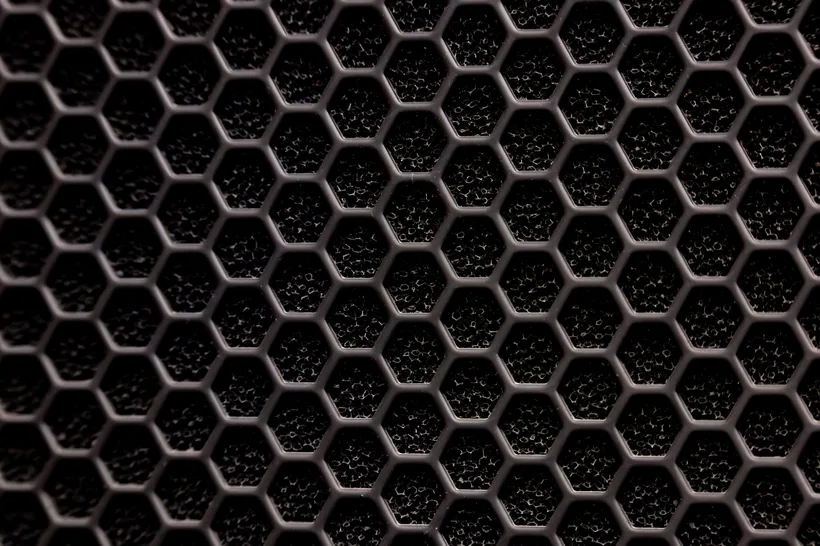
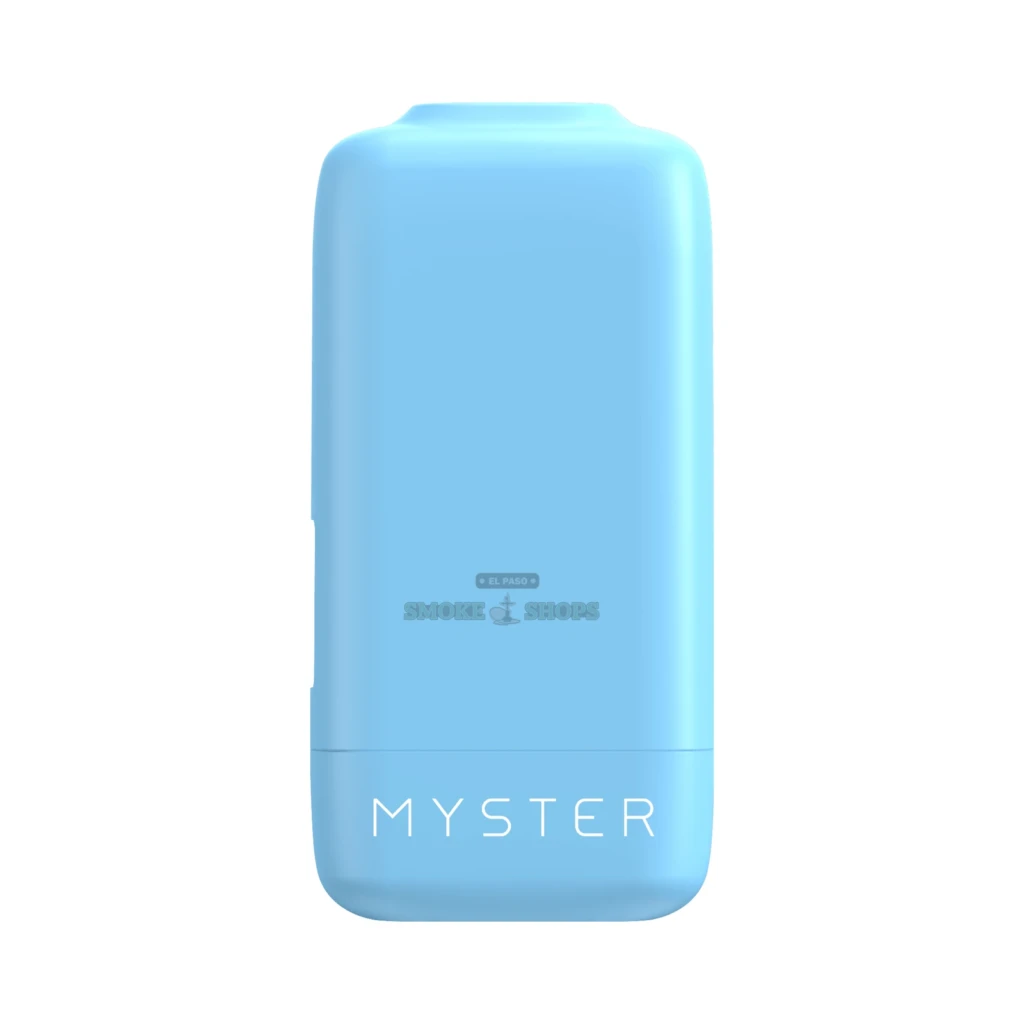
The Original SmokeBuddy combines activated carbon with a ceramic bead technology inside a sealed housing, with some descriptions also referencing a carbon-plus-HEPA arrangement. Philter takes the most aggressive approach with its patented Zero-5 system, which runs the exhale through five stages of microfiltration, including medical-grade HEPA layers and media targeted at Volatile Organic Compounds. Philter rates that system to capture particulates down to 0.3 microns with up to 99.75 percent elimination of airborne particulates. ONGROK uses a five-stage, HEPA-grade cartridge with a carbon lining and bamboo-derived carbon granules, plus a hydrophobic screen to limit moisture buildup. The Myster Cloud Catcher Smoke Filter keeps it lean with a single built-in activated-carbon filter sized for pocket carry.
Does a personal filter actually get rid of the smell, or just reduce it?
It reduces the smell of your exhale a great deal, but “get rid of” overstates it. A quality carbon-and-HEPA filter captures the large majority of particulates and odor in the air you push through it, which is why a room stays far fresher with one than without. What it cannot do is treat smoke that never entered the device or odor that has already absorbed into clothing, upholstery, or curtains.
How long does each one last? A real lifespan comparison
Lifespan is rated in exhales or puffs, and it varies with how long and how hard each breath is. Higher-capacity and cartridge-based units last longer per dollar, while compact units trade lifespan for portability. Here is how the popular personal filters stack up.
| Filter | Rated lifespan | Design | Best for |
|---|---|---|---|
| Myster Cloud Catcher Smoke Filter | Up to ~200 puffs | Whole-unit, sealed carbon | Pocket carry, 6-month warranty |
| Jr. Personal SmokeBuddy / Eco Jr. Personal SmokeBuddy | ~1 to 200+ uses | Whole-unit replaceable | Compact, travel, lighter use |
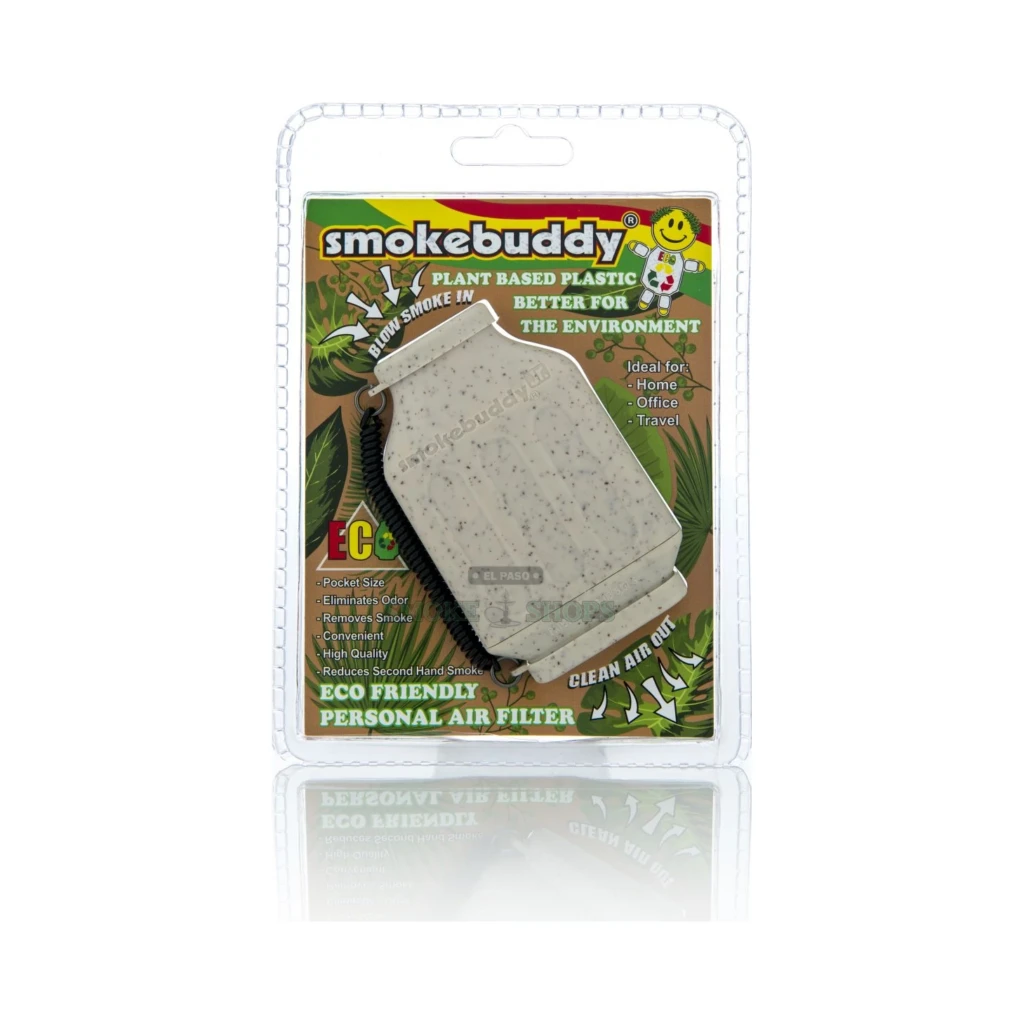
| Original SmokeBuddy / Original Eco SmokeBuddy | ~300 uses or more | Whole-unit, carbon + ceramic bead | The everyday standard |
| ONGROK Personal Air Filter | 310+ exhales | Replaceable cartridge, plant-based housing | Refill-and-keep, lower waste |
| Philter Phrend | Up to 500 exhales | Reusable case + biodegradable refill | Heaviest use, highest capacity |
Reusable cartridge vs. whole-unit replaceable: which design saves you money?
There are two families here, and the right one depends on how often you use it. Whole-unit filters like the Original SmokeBuddy, the Jr. Personal SmokeBuddy, and the Myster Cloud Catcher are used until they get hard to blow through, then the entire unit is replaced. They are cheaper up front and dead simple. Cartridge-based filters, like Philter and ONGROK, keep a durable case and silicone or plant-based housing and let you swap only the spent filter cartridge.
For light or occasional use, a whole-unit replaceable filter is the most cost-effective choice. For heavy daily use, a reusable case with replaceable cartridges pulls ahead because you are not paying for new housing every cycle, and it generates less waste. The Original Eco SmokeBuddy splits the difference by using plant-based plastic in a familiar whole-unit design.
Can you use one in an apartment, dorm, or room? What to realistically expect
Yes, and that is exactly what these are built for, but set expectations correctly. In an apartment, dorm, or single room, a personal filter keeps your exhale from filling the air the way it otherwise would. That is a meaningful difference in a small, shared, or thin-walled space. What it will not do is make a closed room odor-free on its own, because it cannot treat smoke that bypasses the device or smell that soaks into soft surfaces.
For the best result in tight quarters: exhale fully and slowly through the filter every time, crack a window or run a fan for airflow, and keep an enzyme spray or candle nearby for the room itself. Used that way, a personal filter is one of the most effective discreet tools available.
How do you clean and extend the life of a Smokebuddy?
You do not clean the filter media itself, because it is sealed and cannot be washed. SmokeBuddy is replaceable, not refillable. What you can do is wipe the interior and exterior plastic with a moist towel, and leave the caps off after each session so internal breath moisture dries out faster. That moisture is the main enemy of lifespan: trapped humidity makes a unit harder to blow through sooner. When it finally becomes difficult to exhale through, that is the signal to replace it. The same air-it-out habit extends every brand here.
Is there a personal filter that works for vape, not just flower?
Yes. An exhale-through filter does not care what produced the vapor or smoke; it filters the air you push through it either way. Because vapor often carries more moisture, a model designed to handle humidity holds up best over time. Philter’s medical-grade HEPA and VOC media and ONGROK’s hydrophobic moisture screen are both well suited to vapor, and the compact Myster Cloud Catcher Smoke Filter is an easy grab-and-go option for vape sessions.
Which personal smoke filter is right for you? A quick by-habit picker
Match the device to your habit. If you want the proven everyday standard, the Original SmokeBuddy or the plant-based Original Eco SmokeBuddy at roughly 300 uses is the default pick. If you travel light or use less often, the Jr. Personal SmokeBuddy or Eco Jr. Personal SmokeBuddy fits a pocket and a smaller budget. Prefer the original look in a tried-and-true build, the Original Design SmokeBuddy covers it. Want the lowest waste and the longest run per dollar, step up to a cartridge-based Philter or ONGROK. Want the smallest possible pocket filter with a warranty, the Myster Cloud Catcher is the one.
Shop personal smoke filters in El Paso, 21+, same-day in-store pickup
Our Hosts keep personal smoke filters stocked across our El Paso shops, and Guests 21 and up can grab one the same day with in-store pickup. Browse the full Aroma & Air Purifiers selection to compare filters, enzyme sprays, and jar candles, then pick up in person. If you are not sure which to start with, ask a Host in store and we will match a filter to how often you use it and the space you are in.


