

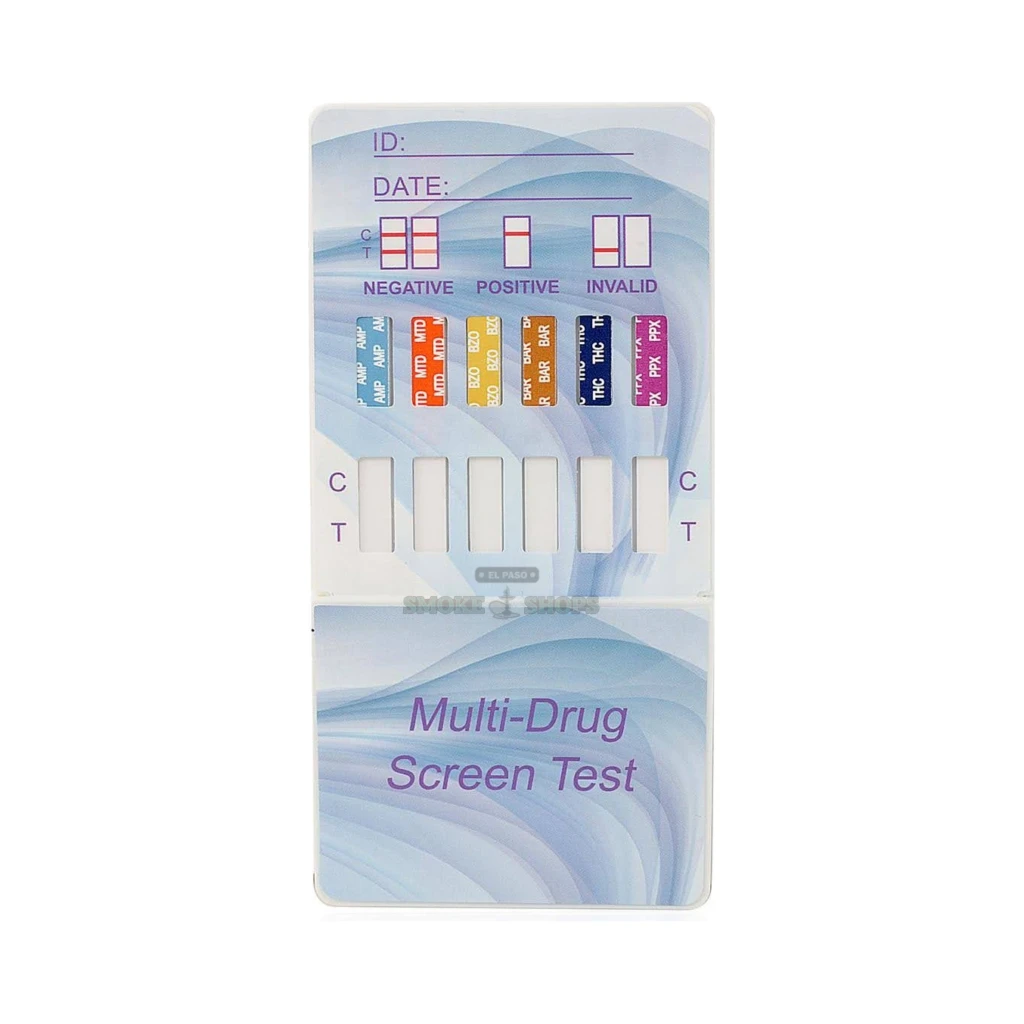
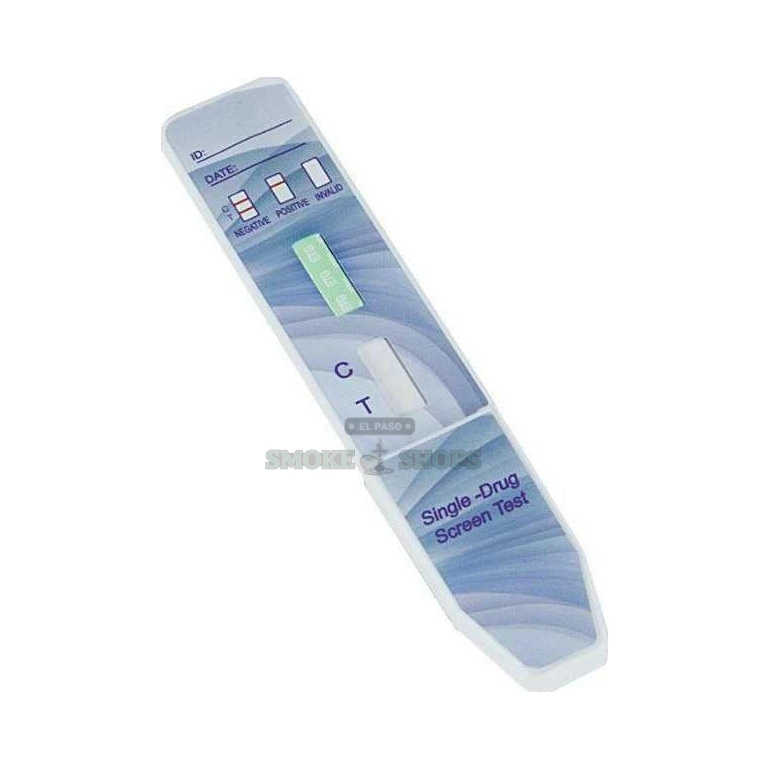
What is an at-home detection test, and who uses one?
An at-home detection test is an instant screening device that checks a sample for the presence of drug metabolites at a fixed cutoff level. These are the urine cups, dip cards, and saliva swabs people use for personal, parental, or employer-style screening. The device does not measure how impaired someone is and it is not a lab confirmation. It gives a presumptive positive or negative screen for each substance on the panel, then you decide what to do with that information.
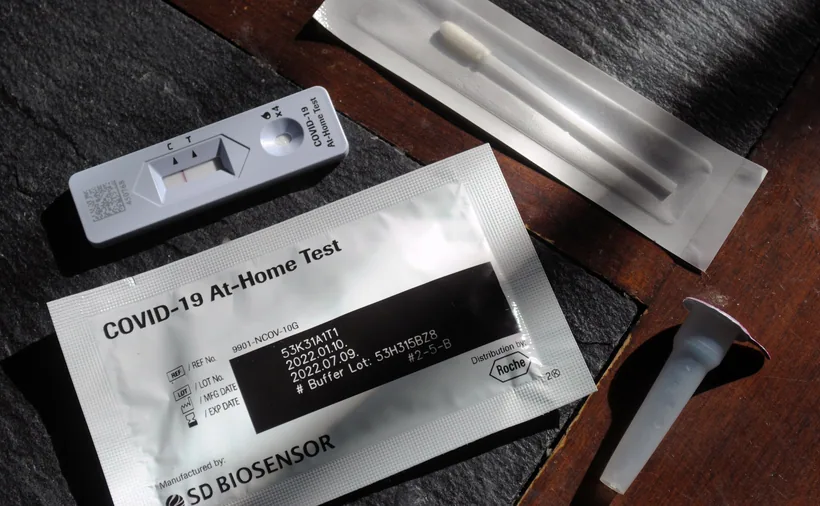
Hosts at El Paso Smoke Shops carry these as factual screening tools. We describe each one by what it screens for, the format, and how many tests come per pack. Nothing more is implied.
What does the “panel” number mean? 5-panel vs. 12-panel
The “panel” number is simply how many separate substances a single device screens for at once. A 5-panel device screens for five drug classes, commonly THC, cocaine, amphetamines, opioids, and PCP. A 12-panel adds classes such as benzodiazepines, barbiturates, methadone, MDMA, methamphetamine, oxycodone, and buprenorphine. A single-analyte device screens for one substance only.
The 5 Panel Multi Drug Test covers the five core classes in one device, which makes it a broad first look. When a Guest only cares about one substance, a single-analyte device is the cleaner choice: the Fentanyl Panel Test, the Cocaine Panel Test (COC300), and the Marijuana Panel Test (THC50) each screen for exactly one thing.
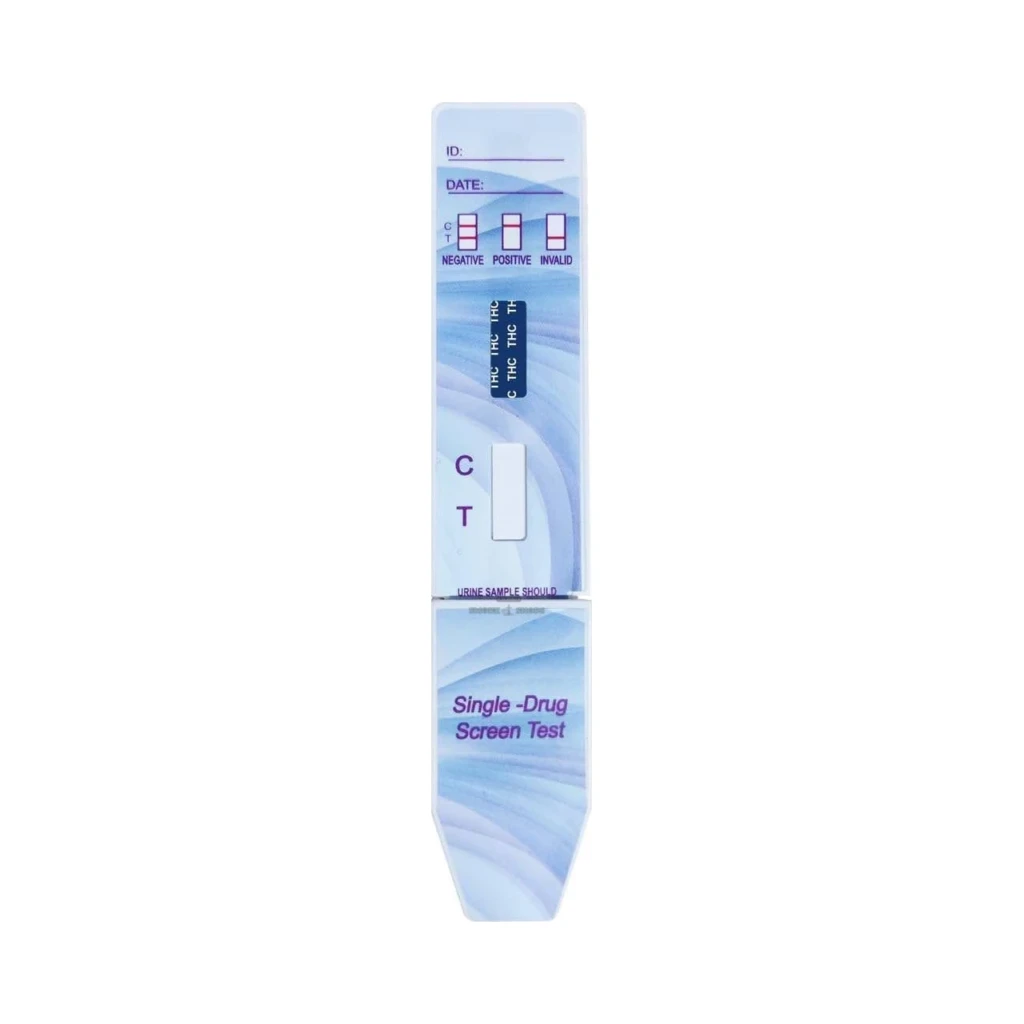 TM THC TestEl PasoView in El Paso
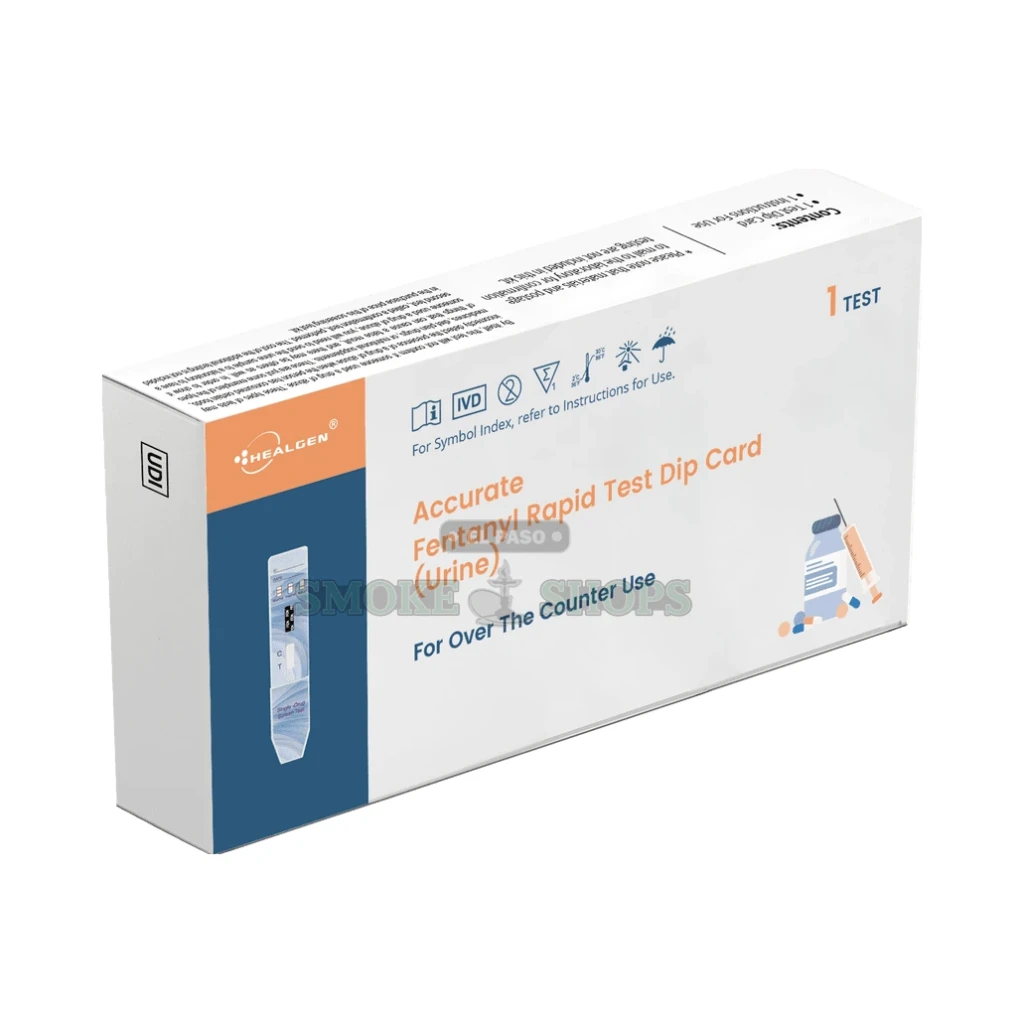 TM Fentanyl TestEl PasoView in El Paso
Reading the codes: THC50, COC300, ETG500 and what ng/mL cutoffs mean
Those codes are industry-standard analyte abbreviations followed by the detection cutoff in nanograms per milliliter. THC50 is the marijuana metabolite at a 50 ng/mL cutoff, COC300 is cocaine at 300 ng/mL, and ETG500 is ethyl glucuronide (an alcohol-consumption marker) at 500 ng/mL. A result reads positive when the substance is at or above the cutoff, and negative when it sits below it.
The cutoffs are not arbitrary. Under the federal urine testing standard (49 CFR 40.85), initial screen cutoffs include marijuana metabolite at 50 ng/mL, cocaine metabolite at 150 ng/mL, amphetamines at 500 ng/mL, PCP at 25 ng/mL, and opioids (codeine and morphine) at 2000 ng/mL. Device cutoffs are built around these reference levels, which is why you see the Marijuana Panel Test (THC50) and the Alcohol Panel Test (ETG500) named the way they are.
How do I read a urine cup or dip card result? (C and T lines)
Read it by the lines. Instant urine and saliva devices use a control line (C) and a test line (T) for each drug screened.
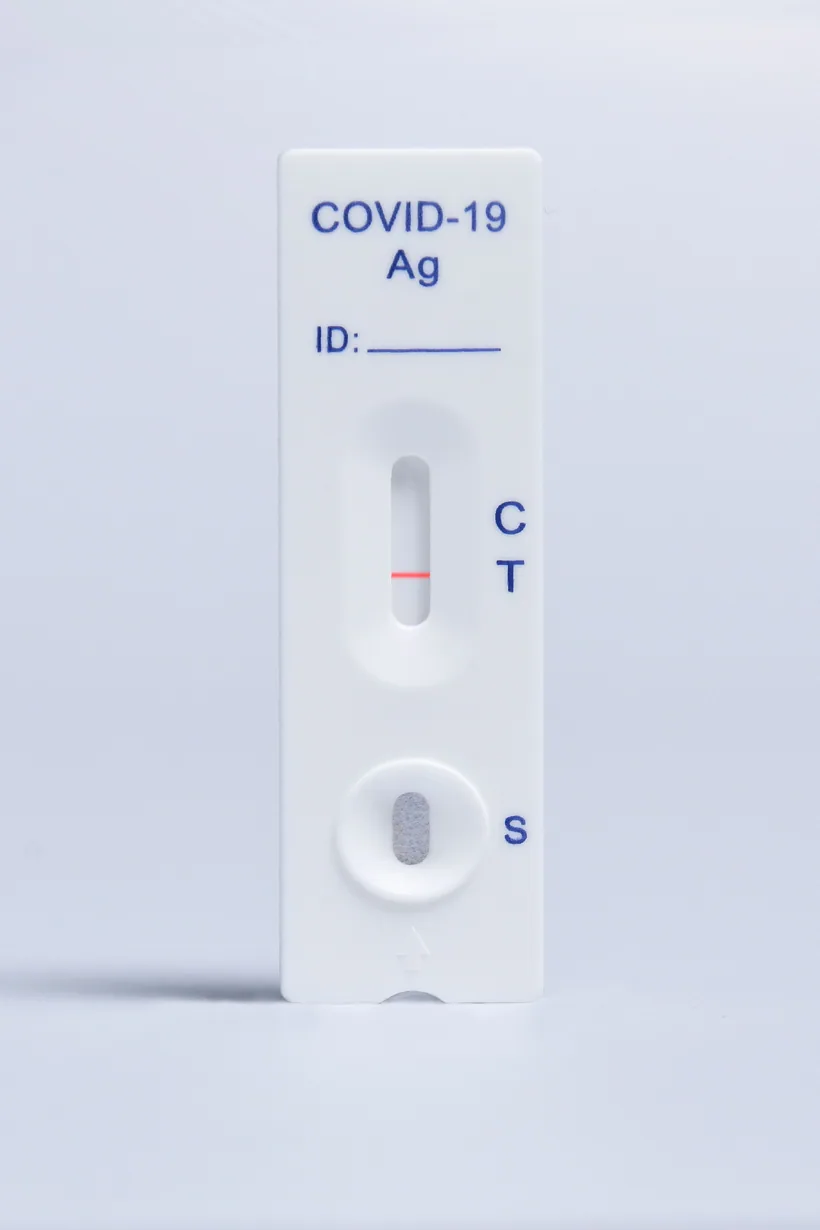
- Two lines, both C and T visible (even if T is faint): NEGATIVE screen for that drug.
- One line at C with no T line: PRESUMPTIVE POSITIVE for that drug.
- No control line at all: INVALID. Repeat with a new device.
The faint-line point trips people up most. On these immunoassay devices a faint test line still counts as a line, so a barely visible T reads negative, not positive. Each drug on a multi-panel device has its own C and T pair, so read them one row at a time.
Does a negative result mean I passed? Reading lines, invalids, and the 5-minute window
A negative screen means the device did not detect the substance at or above its cutoff in that sample at that time. It is a presumptive screen, not a pass or fail verdict and not a lab confirmation. Timing matters too: instant urine cups and dip cards typically display results in about 5 minutes, and you should read them within the device window and not interpret them after roughly 10 minutes, when the result may no longer be reliable.
So three things decide whether a negative is meaningful: the control line is present (otherwise it is invalid), the test line read is genuine, and you read it inside the time window on the insert.
Urine vs. saliva: which detection window fits your situation?
Choose by how recent the use you want to catch is. Urine screening generally detects use over a longer window, about 3 to 4 days for most substances and up to roughly 30 days for heavy marijuana use, which suits a broader history check. Saliva screening detects more recent use, generally within about 24 to 48 hours, and is collected by swabbing inside the mouth instead of handling a urine sample.
| Factor | Urine (cup or dip card) | Saliva (oral swab) |
|---|---|---|
| Detection window | About 3 to 4 days, up to ~30 days for heavy marijuana use | Generally about 24 to 48 hours |
| Best for | Broader use history | More recent use |
| Collection | Urine sample into cup or dip card | Swab inside the mouth |
| Result time | About 5 minutes | About 5 minutes |
How long are common substances detectable? THC, alcohol (EtG), and more
It varies by substance and by how heavily and recently it was used. As general urine-screening ranges, most substances fall in the 3 to 4 day window, while heavy marijuana use can remain detectable up to roughly 30 days. An EtG alcohol marker like the one on the Alcohol Panel Test (ETG500) targets a consumption byproduct that lingers longer than alcohol itself, which is why EtG screening is used to look back further than a same-hour breath check. Fentanyl, like other substances, generally sits in that few-day urine window. Saliva shortens all of these to recent use, roughly 24 to 48 hours. Treat every figure as a general range, not a guarantee, since body chemistry and dose shift the actual window.
Does a 5-panel test cover alcohol, marijuana, fentanyl, or cocaine?
A standard 5-panel covers marijuana but not alcohol or fentanyl. The five core classes are typically THC (marijuana), cocaine, amphetamines, opioids, and PCP. So the 5 Panel Multi Drug Test screens marijuana and cocaine within those five classes, but alcohol and fentanyl are not part of the standard five.
That is exactly why single-analyte devices exist. To screen for alcohol you would reach for the Alcohol Panel Test (ETG500), for fentanyl the Fentanyl Panel Test, and if you want a dedicated cocaine or marijuana read rather than the bundled 5-panel, the Cocaine Panel Test (COC300) or Marijuana Panel Test (THC50).
How accurate are at-home tests, and do they expire?
At-home instant tests are presumptive screens, not definitive lab results, so we make no accuracy guarantees beyond what each brand states on its insert. They are designed to flag the presence of a substance at or above the listed cutoff, and a positive screen is generally treated as a signal to follow up with a confirmatory lab test. Like other chemistry-based devices, the kits carry an expiration date, so check the date on the package and follow the storage notes before use. An expired or mishandled device can produce an invalid result, which is one more reason the control line check matters every time.
Choosing the right test: panel count, substances screened, sample type, pack size
Pick a detection test on four factors. First, panel count: a single analyte like fentanyl, cocaine, marijuana, or alcohol, versus a multi-panel 5 or 12. Second, which substances are actually on the panel. Third, sample type: urine cup or dip card for a longer detection window, or a saliva swab for recent use and easier collection. Fourth, tests per pack.
Quick mapping from our shelf: broad first look, the 5 Panel Multi Drug Test. Dedicated single reads, the Fentanyl Panel Test, Cocaine Panel Test (COC300), and Marijuana Panel Test (THC50). Alcohol history via EtG, the Alcohol Panel Test (ETG500).
Picking up detection tests at El Paso Smoke Shops (21+, same-day in-store pickup)
Every detection test is sold to adults 21+ for same-day in-store pickup only. Hosts can walk Guests through panel counts, the C and T line read, urine versus saliva windows, and how many tests come per pack, all described factually. Browse the full Drug Tests category, then stop by an El Paso Smoke Shops location to pick up the same day.


